Traditional Warmth
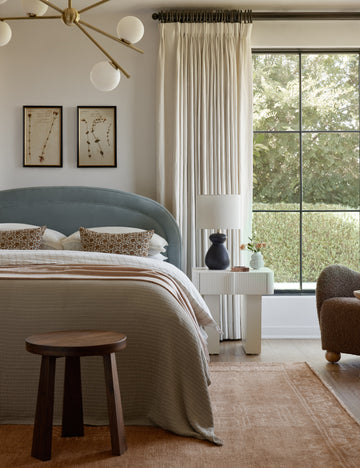
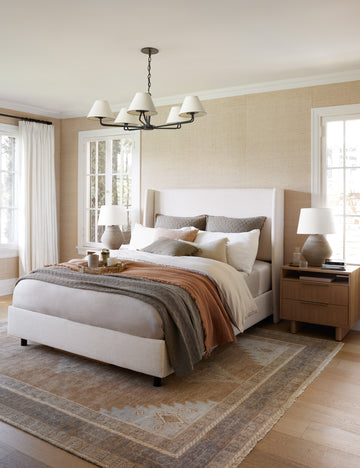
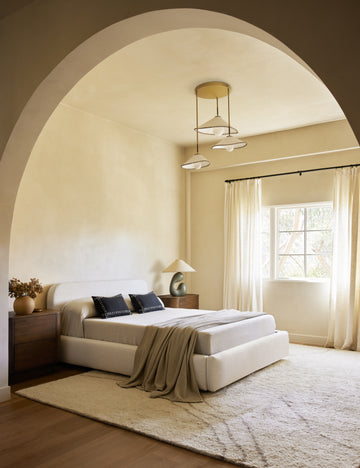
Textural layers and warm, plush materials define the Traditional Warmth bedroom — a curation rooted in the comfort and visual richness of classic bedroom design, updated with a contemporary lightness that keeps it from reading as heavy or dated. The palette skews warm: cream, warm white, sand, soft camel, and the honeyed tones of wood. Materials are tactile and comforting — quilted bedding, woven throws, a substantial area rug, upholstered headboard — assembled with the sense that the room has accumulated its character over time.
What furniture and textiles define the Traditional Warmth bedroom?
An upholstered or wooden headboard with classic proportions anchors the bed. Layered bedding — a duvet, quilted coverlet, euro shams, and a throw — adds the visual and tactile warmth the look is named for. A nightstand in wood or painted finish with traditional hardware, a dresser in complementary material, and soft overhead or table lighting complete the furniture picture. A substantial area rug in a warm neutral or traditional pattern grounds the room and makes the floor feel inhabited as well as the walls and bed.
How do I layer bedding for a warm, inviting bedroom?
Start with quality fitted and flat sheets (linen or percale cotton both work well for this look), then add a duvet in a complementary color — typically the same tonal family as the overall room palette. Layer a quilted coverlet or blanket across the foot of the bed for additional texture and warmth. Euro shams behind the sleeping pillows add height and visual interest. Finish with a throw blanket draped across one corner — this final layer is purely textural and signals comfort. The key is cohesion in color across all layers rather than exact matching.
What rug works best in a cozy traditional bedroom?
Traditional and transitional rugs in warm tones (cream, sand, warm gray, soft brown) work naturally in a Traditional Warmth bedroom. Hand-knotted wool rugs have the most tactile warmth and the most appropriate visual weight for this aesthetic. A rug that extends at least 18 inches on both sides of the bed and beyond the footboard ensures the floor feels fully considered — bare floor visible between the bed and a small rug is one of the most common bedroom design miscalculations. Low-pile and flatweave rugs can work in warmer climates but tend to read as less cozy than a substantial wool pile.
Also explore: Bedding | Bedroom Furniture | Bedroom Rugs | Headboards | New Arrivals
-
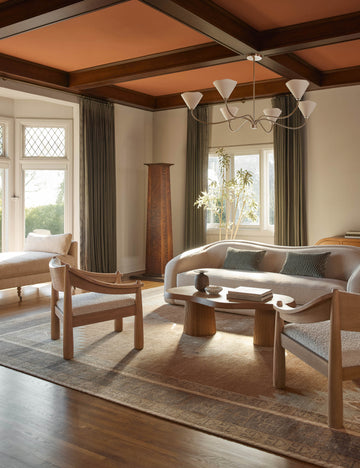 Kate Hand-Knotted Wool Rug
From $378.00
Kate Hand-Knotted Wool Rug
From $378.00
-
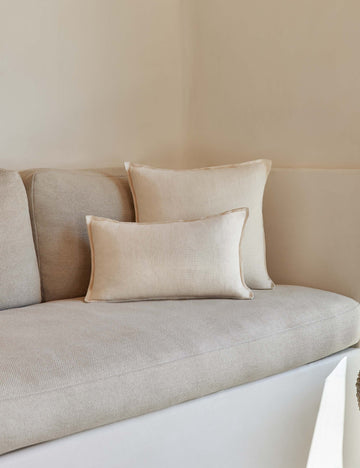 Arlo Linen Pillow
From $28.00
Arlo Linen Pillow
From $28.00
-
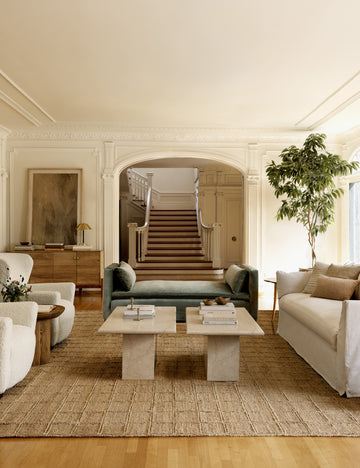 Harper Jute Rug by Jake Arnold
From $74.00
Harper Jute Rug by Jake Arnold
From $74.00
-
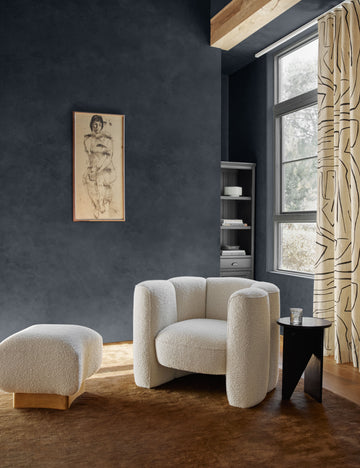 Chiltern Handmade Rug by Jake Arnold
From $998.00
Chiltern Handmade Rug by Jake Arnold
From $998.00
-
 Sparrow Wallpaper by Rylee + Cru
$198.00
Sparrow Wallpaper by Rylee + Cru
$198.00
-
 Lockwood Bed by Ginny Macdonald
From $3,448.00
Lockwood Bed by Ginny Macdonald
From $3,448.00
-
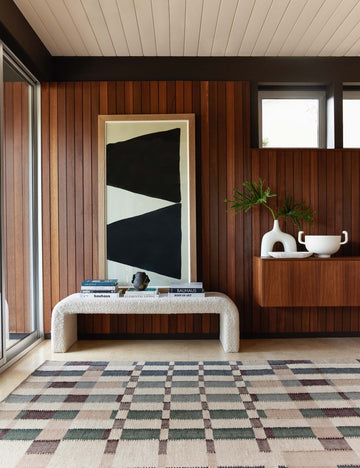 Tate Bench
From $1,248.00
Tate Bench
From $1,248.00
-
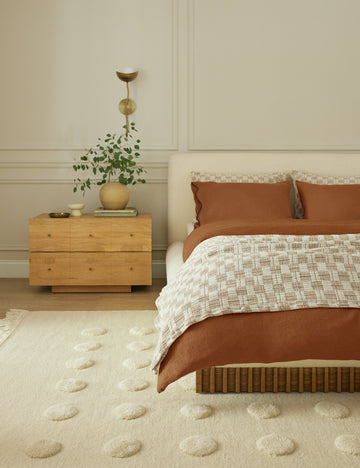 Essie Hemp Sham by Sarah Sherman Samuel
From $48.00
Essie Hemp Sham by Sarah Sherman Samuel
From $48.00
-
 Roy Linen Pillow
From $108.00
Roy Linen Pillow
From $108.00
-
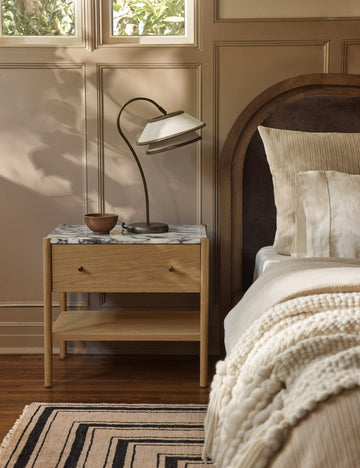 Philana Nightstand
From $998.00
Philana Nightstand
From $998.00
-
 Vivienne Table Lamp
$348.00
Vivienne Table Lamp
$348.00
-
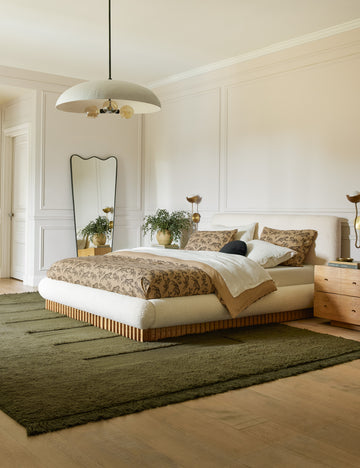 Billow Bed by Sarah Sherman Samuel
From $2,598.00
Billow Bed by Sarah Sherman Samuel
From $2,598.00
-
 Essie Hemp Duvet Cover by Sarah Sherman Samuel
From $288.00
Essie Hemp Duvet Cover by Sarah Sherman Samuel
From $288.00
-
 Topia Nightstand by Ginny Macdonald
$998.00
Topia Nightstand by Ginny Macdonald
$998.00
-
 Merrit Nightstand by Sarah Sherman Samuel
From $313.00
Merrit Nightstand by Sarah Sherman Samuel
From $313.00
-
 Alaia Cotton Bed Cover by House No. 23
From $198.00
Alaia Cotton Bed Cover by House No. 23
From $198.00
-
 Lo Wallpaper by Scalamandre
$150.00
Lo Wallpaper by Scalamandre
$150.00
-
 Arslan Vases (Set of 3)
$52.00
Arslan Vases (Set of 3)
$52.00
-
 Devyn Full Length Mirror
$498.00
Devyn Full Length Mirror
$498.00
-
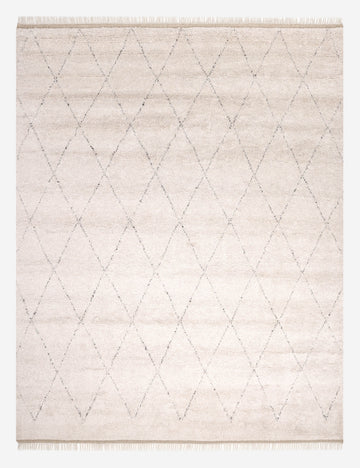 Ferra Hand-Knotted Wool-Blend Moroccan Style Shag Rug
From $298.00
Ferra Hand-Knotted Wool-Blend Moroccan Style Shag Rug
From $298.00
-
 Basketweave Cotton Sham by Sarah Sherman Samuel
From $48.00
Basketweave Cotton Sham by Sarah Sherman Samuel
From $48.00
-
 Khala Table Lamp
$552.00
Khala Table Lamp
$552.00
-
 Philana Dresser
$3,298.00
Philana Dresser
$3,298.00
-
 Keyana Table Lamp
$538.00
Keyana Table Lamp
$538.00
-
 Logan Linen Sham by Pom Pom at Home
From $126.00
Logan Linen Sham by Pom Pom at Home
From $126.00
-
 Currents Hand-Knotted Wool Rug by Élan Byrd
From $398.00
Currents Hand-Knotted Wool Rug by Élan Byrd
From $398.00
-
 Ojai Cotton Matelassé Coverlet by Pom Pom at Home
From $287.00
Ojai Cotton Matelassé Coverlet by Pom Pom at Home
From $287.00
-
 PrimaLoft® Down Alternative Pillow Insert
From $78.00
PrimaLoft® Down Alternative Pillow Insert
From $78.00
-
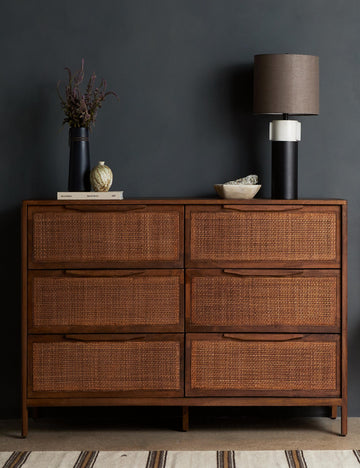 Hannah 6-Drawer Dresser
From $1,799.00
Hannah 6-Drawer Dresser
From $1,799.00


